
After Prostate Surgery: When Can You Switch From Disposable Briefs to Washable Incontinence Underwear?

Quick Recommendation
There is no universal day when every man should stop using disposable briefs after prostate surgery. A more useful question is: Has your leakage become predictable enough that you can match your protection to each part of the day?
Washable incontinence underwear can be a practical next step when leaks are light or intermittent, the absorbent area stays aligned during movement, and you can change before the garment reaches its limit. Many men use a mixed routine first: washable protection for ordinary daytime activities, a guard for longer outings, and higher-capacity protection at night.
Protective underwear manages leakage; it does not treat incontinence. Recovery varies, so follow the plan given by your surgeon, continence nurse, or pelvic-floor therapist.
CTA: Compare TIICHOO men's protection levels for light, moderate, and heavier backup.
What Imported Customer Reviews Revealed
We reviewed 422 imported men's-series text reviews dated from December 2022 through June 2026. Fit and comfort were the two most repeated subjects. Twenty-eight reviews specifically mentioned prostate treatment, prostate cancer, surgery, or a related recovery procedure.
The most useful feedback was not a simple claim that one product "worked." It described a transition:
- Some men began with disposable briefs immediately after surgery, then moved to washable underwear during the day as control improved.
- Several still preferred stronger protection at night or during long periods away from a restroom.
- Skin irritation around the legs and the damp, medical feel of disposables became important reasons to look for another option.
- Men wanted the leg openings secure enough to contain small leaks without a waistband that felt harsh around a sensitive abdomen.
- A number of reviewers used a removable guard as extra backup for travel, physical work, or an unusually long day.
These are anonymized patterns across multiple reviews, not a single customer's medical story. They show why the best transition is usually gradual and based on real routines.

How We Analyzed the Reviews
Data note, updated July 28, 2026: The frozen working export contained 422 text reviews associated with TIICHOO men's-series products and imported into the store review system. Review dates ran from December 2022 through June 2026. The unit of analysis was one review, using its title and written body. Photos, videos, star-only records, and customer-support conversations were not analyzed. Live storefront counters may differ as imported records are added, removed, consolidated, or remapped between products.
We used keyword-assisted editorial coding followed by a context check of matching text. The coding groups covered fit and sizing; comfort and skin feel; leakage or absorbency; work, driving, travel, and activity; washing and durability; discreet or normal appearance; pad or guard use; and explicit references to prostate treatment, cancer, surgery, or recovery. One review could appear in more than one group, so the rows below do not add up to 422.
| Coded theme | Reviews | Share of 422 |
|---|---|---|
| Comfort and skin feel | 211 | 50.0% |
| Fit and sizing | 201 | 47.6% |
| Leak or dribble protection | 157 | 37.2% |
| Work, driving, travel, or activity | 113 | 26.8% |
| Washing and durability | 89 | 21.1% |
| Discreet or normal appearance | 63 | 14.9% |
| Pad, guard, or hybrid use | 37 | 8.8% |
| Prostate treatment, cancer, surgery, or recovery | 28 | 6.6% |
These counts describe what reviewers chose to mention; they do not measure product effectiveness or recovery outcomes. Silence about a topic was not treated as a positive or negative result.
Limitations and commercial disclosure
This is a first-party TIICHOO analysis of reviews connected with products TIICHOO sells. That commercial relationship may influence which customers and experiences appear in the dataset. We did not independently verify every reviewer's identity, diagnosis, purchase status, leak volume, or treatment history. The data is self-selected, heavily positive, not a representative patient sample, and was not collected for medical research. The coding was completed for editorial use and was not independently replicated.
Clinical review status: As of July 28, 2026, this article has not been independently medically reviewed. Clinical statements are therefore kept separate from the review analysis and linked to Memorial Sloan Kettering and the Urology Care Foundation. We will identify any future professional reviewer and the scope of that review rather than imply product endorsement.
Why Leakage Changes After Prostate Surgery
Urinary leakage is common after a catheter is removed following radical prostatectomy. Bladder control commonly improves over time, but the pattern and timing differ from person to person. Stress incontinence—leakage with coughing, laughing, sneezing, lifting, or exercise—is especially common after prostate surgery. Memorial Sloan Kettering's current guide to managing urinary incontinence after prostate treatment explains the main patterns and when to contact a healthcare provider.
The same MSK guide notes that pelvic-floor muscle training is commonly recommended after radical prostatectomy and should begin according to the clinical team's instructions after catheter removal, not while a catheter is still in place.
That changing recovery pattern is why the same protection may not be right for every hour of the day. A man may have fewer leaks while sitting at home, more when standing or lifting, and a different need again overnight.
Five Signs You May Be Ready to Try Washable Protection
1. Your leaks are becoming smaller or more predictable
Washable underwear is easiest to plan around when you know whether you usually experience a few drops, a short dribble, or a larger release. If you cannot yet estimate your pattern, keep a simple bladder and change log for several days. Note the activity, approximate amount, and time between changes.
2. You can match absorbency to the activity
The protection needed for a quiet morning may differ from the protection needed for a long drive, golf, lifting, or sleep. Choose based on the more demanding part of the routine, not the best hour of the day. Our men's incontinence underwear absorbency guide explains how to compare light, daily, and higher-backup options.
3. You can change before the garment is saturated
No washable garment has unlimited capacity. If a day involves uncertain restroom access, pack a spare pair and a sealable wet bag. For a long outing, a compatible guard may add flexibility, but it should sit flat and should not distort the built-in absorbent area.
4. The fit stays secure when you stand, sit, and walk
A useful fit test takes less than five minutes:
- Sit and stand several times.
- Walk, climb a few steps, and make a gentle cough.
- Check that the absorbent panel remains centered.
- Confirm that the leg openings stay close without digging into the skin.
- Confirm that the waistband does not press painfully on a scar or sensitive area.
If the garment gaps at the legs, leakage may escape before the absorbent zone can manage it. If it is excessively tight, it can create rubbing and make all-day wear unpleasant.
5. Your care team has not told you to use a different system
Your surgeon or continence professional may recommend pads, a catheter-related product, pelvic-floor therapy, medication, or another approach based on your surgery and symptoms. Product choice should fit inside that medical plan.
CTA: Use the TIICHOO absorbency guide to compare protection by leak pattern before choosing a style.
A Practical Three-Stage Transition
Stage 1: Test at home
Wear the washable pair for two or three hours during a familiar part of the day. Keep your usual backup nearby. This is a fit and timing test, not a challenge to wear the garment as long as possible.
Check how the waistband feels near the abdomen, whether the legs ride up, and whether the absorbent area stays in the correct position. Notice skin comfort as well as leak control.
Stage 2: Use it for predictable daytime routines
When the home test is comfortable, try a normal errand, desk period, or short walk. Carry a spare pair. Review feedback suggests that many men value washable underwear most during this stage because it looks and feels closer to ordinary underwear under everyday clothes.
For clothing and fit considerations, see our guide to wearing men's incontinence underwear discreetly.
Stage 3: Adjust for long or active days
Do not assume that success during a short outing guarantees the same result during a 12-hour drive or physical workday. Fatigue, movement, lifting, fluid intake, and restroom access can change the situation. Test longer periods gradually and bring backup.
One recurring review pattern was the return of confidence during work and driving. That confidence came from having a routine—not from pretending leakage could never happen.
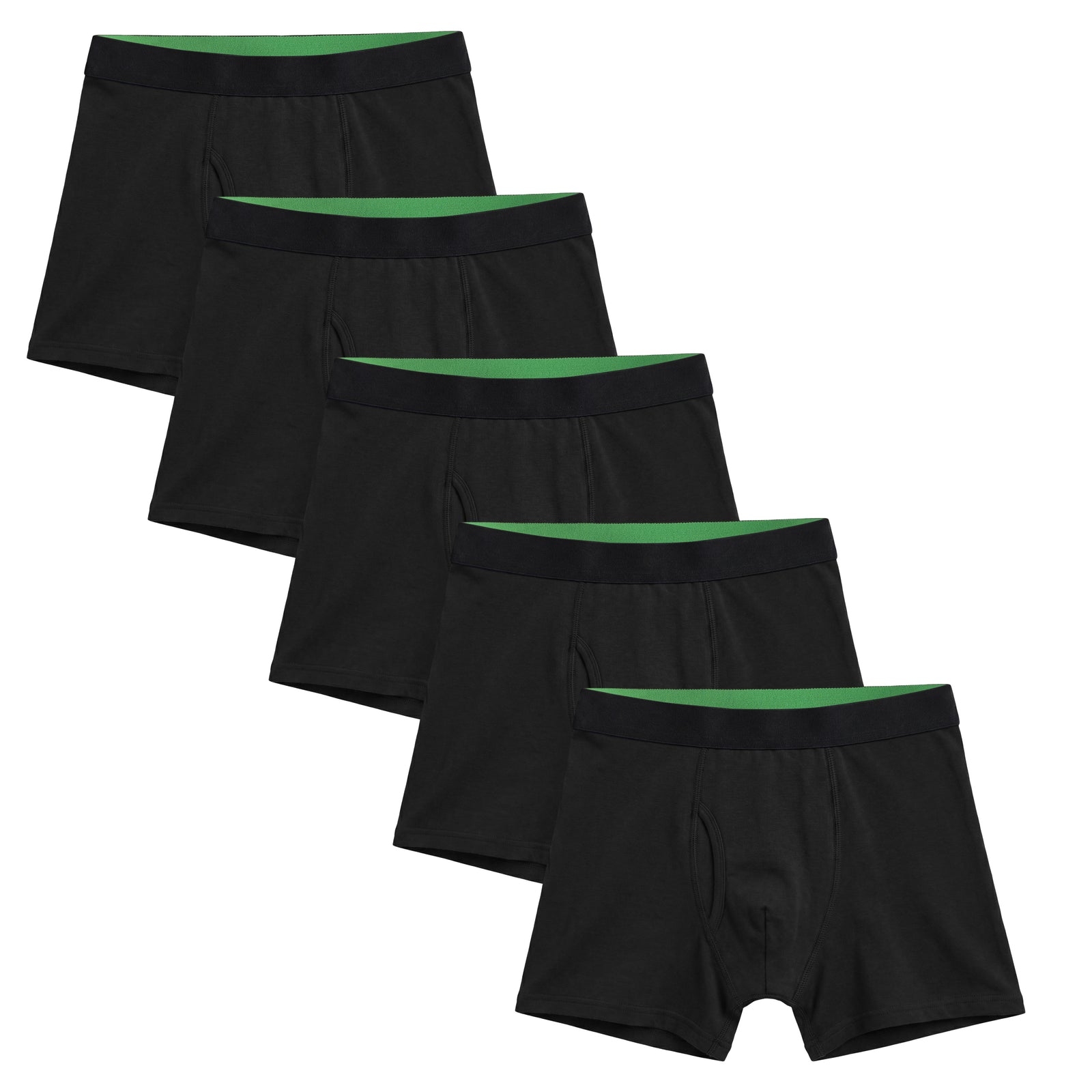
Daytime and Nighttime Do Not Need the Same Answer
Several reviews described a mixed strategy: washable underwear in the daytime and stronger protection at night. That is a sensible way to respond to different leak patterns.
Ask separate questions for each period:
| Situation | What to check |
|---|---|
| Quiet daytime routine | Small-leak capacity, comfort, easy access to a spare |
| Work or long driving | Change timing, restroom access, seated fit, spare storage |
| Walking or exercise | Panel alignment, leg seal, movement, friction |
| Overnight | Sleep duration, usual volume, coverage when changing position |
If nighttime leakage is the main concern, use the overnight bladder leak protection guide rather than assuming a daytime pair will cover the same need.
Fit Lessons From the Reviews
The imported reviews did not support one universal sizing instruction. Some men sized up for comfort; others found a larger size too loose. The more reliable lesson was to judge several fit points together:
- Use the current waist measurement, especially if weight changed during treatment or recovery.
- Give priority to secure leg openings because they help keep the absorbent area close.
- Avoid a waistband that creates pain, deep marks, or irritation around a healing area.
- Do not rely only on the size printed in regular trousers; compare it with the product chart.
- If between sizes, consider which problem is more likely in that style: waistband pressure or leg gapping.
The right fit should feel secure, not punishing. It should also remain stable after washing.
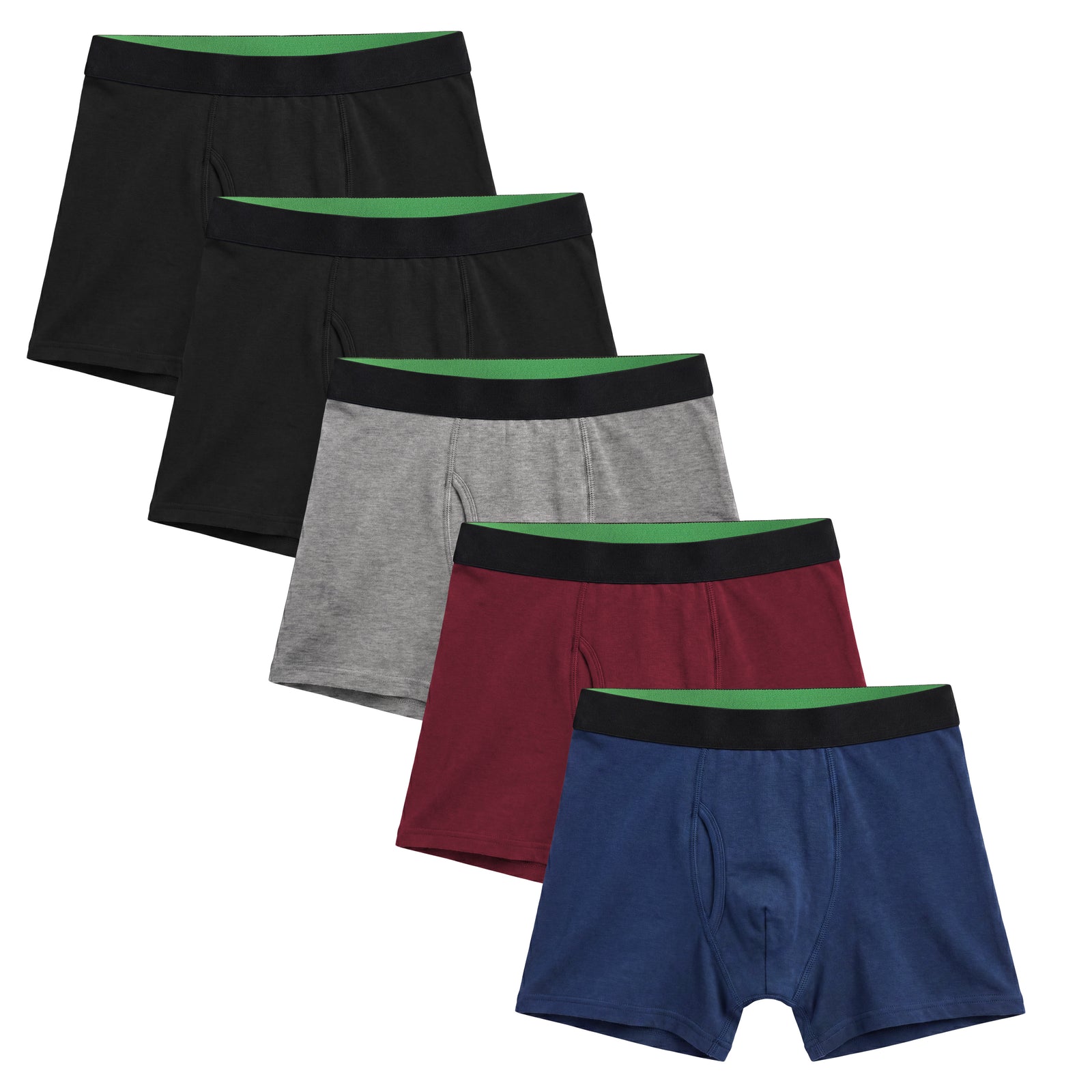
Skin Comfort and Washing Matter
One of the strongest recent review stories involved a man whose disposable leg elastic had begun irritating his skin months into recovery. He associated a drier, roomier-feeling routine with being more willing to stay physically active. That is one person's experience, not a medical outcome, but it highlights practical checks:
- Change promptly after a meaningful leak.
- Wash according to the product label.
- Avoid fabric softener when the care instructions prohibit it, because it can affect absorbent textiles.
- Air dry if the label recommends it or if shrinkage would compromise fit.
- Stop using a garment that causes persistent rubbing, rash, pressure, or broken skin.
If irritation persists, ask a healthcare professional for advice. Do not assume that changing underwear alone will solve a skin problem.
When to Contact Your Healthcare Team
Protection choices are not a substitute for follow-up care. Contact your clinical team if leakage is worsening rather than improving, if you have pain or burning when urinating, fever, blood clots or concerning bleeding, difficulty emptying the bladder, new skin breakdown, or any symptom your discharge instructions identify as urgent.
If incontinence remains bothersome, ask about continence services and pelvic-floor physical therapy. The Urology Care Foundation explains that pads and protective products help manage wetness but do not treat the underlying incontinence. See its patient guide to incontinence after prostate treatment.
The Goal Is a Flexible Routine, Not a Perfect Switch Date
The review evidence points to a practical conclusion: the transition away from disposable briefs is often not all-or-nothing. It may start with a few predictable hours at home, expand to ordinary daytime activities, and still include stronger backup for sleep, travel, or heavy work.
Choose the lowest level of protection that safely matches the real leak pattern, but keep flexibility for harder days. A good routine protects clothing, reduces avoidable skin friction, and lets the wearer focus on normal life rather than constantly thinking about the next leak.
Final CTA: Explore TIICHOO men's washable incontinence underwear and compare fit and protection levels for your current routine.
Quote of the Day
Style is more than what we wear or how we decorate our spaces — it’s the freedom to choose what reflects who we are. Every design, every detail, is crafted with intention: to inspire joy, to add meaning, and to transform the everyday into something extraordinary. Because when comfort meets elegance, life itself feels more beautiful.
Brand Description
At our core, we believe that style should feel effortless yet meaningful. Each collection is carefully designed with attention to detail, blending modern aesthetics with everyday comfort. From timeless silhouettes to refined textures, our pieces are crafted to inspire confidence and elevate the way you live and dress. More than fashion, it’s a lifestyle made for you.